New Trends in Industrial Chemicals
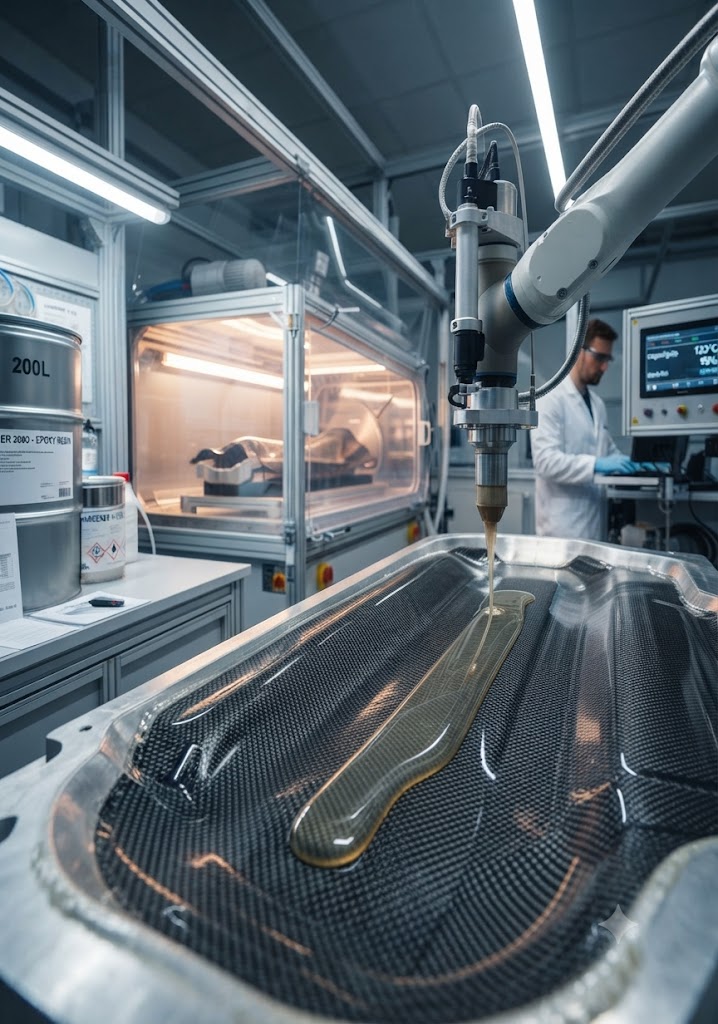
Collaboration in Industrial Chemistry: Epoxy Resins and Modern Chemical Solutions
Modern industry is built on high durability, precision engineering, and sustainable protection. The cornerstones of this structure are versatile polymers such as epoxy resins and the industrial chemicals that support them. As of 2026, the intersection of these two areas will set the standards of "new generation performance" in many sectors, from construction to aviation, from the defense industry to renewable energy.
Industrial Power of Epoxy Resins
Epoxy resins hold a unique place in the industrial world with their chemical resistance, superior adhesion capabilities, and excellent mechanical properties. In today's world, the use of epoxy has gone beyond being just a coating material:
Revolution in Composite Technologies: Epoxy, combined with carbon fiber and glass fiber, allows the production of composite materials that are lighter than steel but much more durable. This situation forms the core of mitigation strategies that increase fuel efficiency, particularly in the automotive and aviation sectors.
Critical Protection: Used in a wide range of applications from industrial floors to chemical storage tanks, epoxy systems are one of the most effective barriers against corrosion.
Electronics and Insulation: Thanks to its high dielectric strength, it is an indispensable material for protecting and insulating sensitive electronic components.
Chemical Synergy: Agents That Support Epoxy
The final performance of epoxy resins is determined by other industrial chemicals incorporated into the formulation. These chemical components govern every detail of the material, from its curing time to its flexibility:
Hardeners (Curing Agents): These are the key chemicals that enable epoxy to transition from a liquid state to a solid, cross-linked structure. Amin and anhydride-based curing agents are optimized according to the environmental conditions (humidity, temperature) in which the application will be made.
Modifiers and Additives: Special chemicals used to adjust the viscosity of the resin, to add resistance to ultraviolet (UV) rays or to add flame retardant properties extend the service life of the system.
Accelerators: In cases where speed is critical in production lines, catalytic chemicals, which save energy by optimizing the curing reaction, directly affect industrial efficiency.
Standout Approach in 2026: Smart and Green Formulations
The most important trend in today's industrial chemistry is combining performance improvement with environmental responsibility.
Low VOC (Volatile Organic Compounds): Solvent-free or water-based epoxy systems protect employee health and fully comply with environmental regulations.
Bio-Based Resins: Epoxy monomers derived from plant sources are becoming a strategic option for companies looking to reduce their carbon footprint as an alternative to traditional petroleum-based products.